
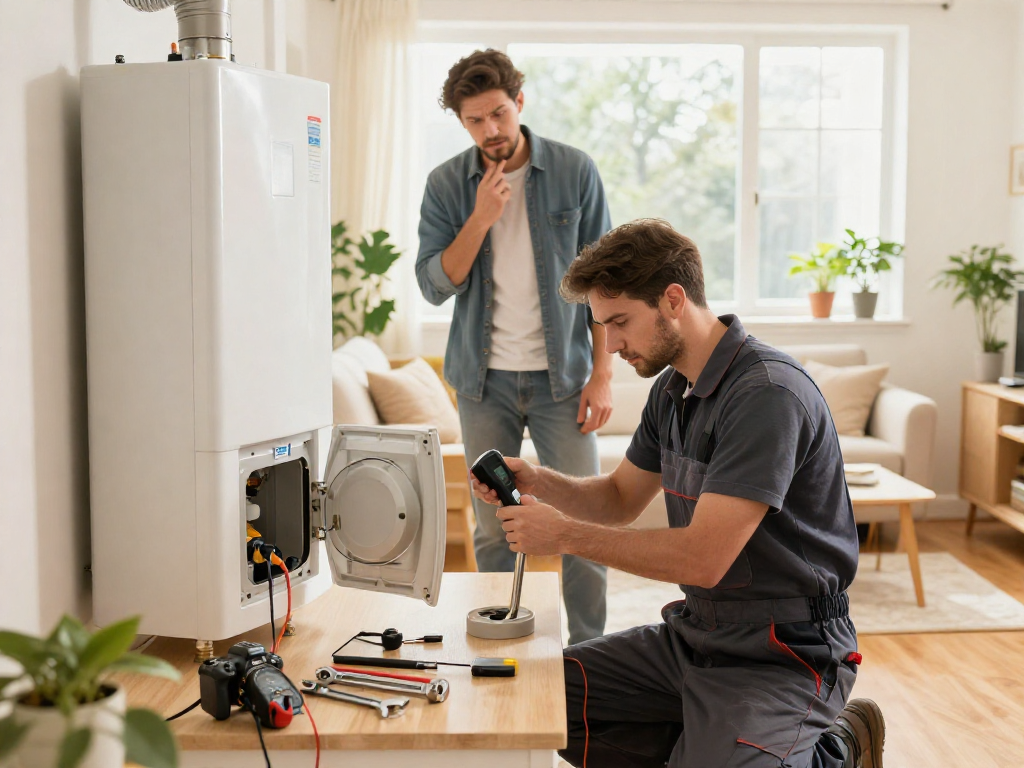
Understanding Water Heater Basics
Water heaters play a fundamental role in modern households, providing hot water for various daily activities such as bathing, cooking, and cleaning. Understanding the basics of water heaters is crucial for homeowners in Fort Worth, especially when it comes to maintenance and repair. In this guide, we will explore the different types of water heaters available, their lifespan, and critical warning signs that indicate when a repair is necessary. If you ever find yourself in need of water heater repair Fort Worth, knowing what to look for can save you time and money.
What Types of Water Heaters Are Common in Fort Worth?
In Fort Worth, homeowners typically encounter two main types of water heaters: tank and tankless. Tank water heaters, the more traditional option, store and heat a large volume of water in a tank, ranging from 20 to 80 gallons. They are known for their reliability but can consume more energy due to continuous heating. On the other hand, tankless water heaters provide on-demand hot water, which means they heat water directly as it flows through the device. While they are often more energy-efficient, their initial installation cost can be higher.
How Long Should a Water Heater Last?
The lifespan of a water heater can vary based on its type and usage. Generally, tank water heaters last about 8 to 12 years, while tankless models can endure upwards of 20 years if maintained properly. Regular maintenance, including flushing the tank to remove sediment buildup, can significantly enhance longevity. It's essential to keep track of your unit’s age and condition, as knowing when to replace it can prevent unexpected failures.
Common Warning Signs Your Water Heater Needs Repair
Recognizing the signs that your water heater requires repair is vital for maintaining a comfortable home. Look for the following indicators:
- Inconsistent Water Temperature: If you notice fluctuations in water temperature, it could signal a problem with the thermostat or heating element.
- Unusual Noises: Sounds like popping or rumbling can indicate sediment buildup in tank models, while buzzing may emanate from tankless units due to electric issues.
- Leaks or Puddles: Water pooling around the base of the heater often shows signs of failure.
- Age of the Unit: If your water heater is nearing the end of its expected lifespan and exhibiting any issues, a replacement may be in order.
DIY vs. Professional Water Heater Repair
When faced with water heater problems, homeowners often wonder whether to take a DIY approach or hire a professional. Understanding the pros and cons of each can lead to better decision-making.
When Is It Safe to Attempt DIY Repairs?
Simple maintenance tasks, such as flushing the tank and replacing anode rods, can be safely performed by homeowners. If you have a basic understanding of plumbing and electrical work, you might handle minor repairs, like changing a thermostat. However, any complex diagnostics or major repairs should be left to professionals to avoid further damage.
Common DIY Mistakes in Water Heater Maintenance
While DIY repairs can save money, they also come with risks. Common mistakes include:
- Ignoring Safety Precautions: Not turning off the power or water supply can lead to accidents.
- Inadequate Diagnosis: Misunderstanding the issue can result in ineffective repairs and wasted time.
- Using Improper Tools: Not having the right tools can complicate simple tasks and lead to damage.
Benefits of Hiring a Professional for Water Heater Repair Fort Worth
Hiring a professional for water heater repair offers numerous advantages, including:
- Expertise: Professionals have the training and experience to diagnose issues accurately and provide effective solutions.
- Safety: Professionals adhere to safety protocols, reducing the risk of injury or property damage.
- Guarantees and Warranties: Many professional services offer guarantees on their work, giving homeowners peace of mind.
Common Water Heater Problems and Solutions
Understanding common problems associated with water heaters can prepare you for potential issues and their solutions.
How to Diagnose No Hot Water Issues
Experiencing no hot water can be frustrating. Begin by checking:
- Power Supply: Ensure the heater is getting power. For electric models, check the circuit breaker and reset if necessary.
- Thermostat Settings: Confirm that the thermostat is set to an appropriate temperature, usually around 120°F.
- Heating Elements: If electric, inspect the heating elements for damage; these may require replacement if faulty.
Dealing with Water Heater Leaks: What to Do?
Water heater leaks can indicate serious issues. First, turn off the water supply and drain the tank to prevent flooding. Inspect the connections for loose fittings or signs of corrosion. If the leak persists or is severe, contact a professional promptly, as this could lead to a complete failure of the unit.
Fixing Inconsistent Water Temperatures
If you experience sudden temperature changes, check:
- Thermostat Issues: A malfunctioning thermostat can lead to inconsistent temperatures and may need adjustment or replacement.
- Element Faults: In tank heaters, one of the heating elements may be failing; in this case, both should be tested.
- Cross-Connections: In some instances, a plumbing cross-connection may cause mixing of hot and cold water, leading to temperature fluctuations.
Preventive Maintenance for Longevity
Preventive maintenance is key to extending the lifespan of your water heater. Regular upkeep can save you money and prevent unexpected breakdowns.
Essential Maintenance Tips for Water Heaters
To keep your water heater in optimal condition, consider these maintenance tips:
- Flushing the Tank: Annually flush the tank to remove sediment buildup that can affect efficiency.
- Checking the Anode Rod: Inspect the anode rod every few years and replace it if it is more than 50% corroded. This can prevent tank corrosion.
- Insulation: Insulate pipes connected to the water heater to minimize heat loss, especially in colder months.
How Regular Inspections Can Save You Money
Scheduling regular inspections with a professional can help identify minor issues before they escalate into costly repairs. Annual check-ups can ensure your water heater operates efficiently, lowering your energy bills and preventing emergencies.
What to Include in Your Annual Water Heater Checkup
During an annual checkup, ensure the following tasks are performed:
- Inspect and test the pressure relief valve.
- Check the temperature setting of the thermostat.
- Examine the expansion tank if applicable.
- Assess the plumbing connections for leaks or corrosion.
The Future of Water Heater Technology
As technology evolves, so does the landscape of water heating. Keeping abreast of upcoming trends can help homeowners make informed decisions about their systems.
Emerging Trends in Energy-Efficient Water Heaters for 2026
By 2026, energy-efficient water heaters are expected to become more prevalent. Innovations like solar water heaters and hybrid models that combine traditional heating methods with renewable energy sources are gaining traction. These systems not only reduce carbon footprints but can also lower utility bills significantly.
Smart Water Heater Solutions: What to Expect?
In the realm of smart technology, water heaters are being integrated with IoT capabilities. Homeowners can expect features such as remote monitoring, temperature adjustments via smartphone apps, and leak detection notifications. Smart water heaters will enhance convenience and safety, giving users greater control over their home systems.
Local Regulations and Incentives for Upgrading Your Water Heater
Fort Worth residents may find local incentives for upgrading to more energy-efficient models. Check with your local utility provider for rebates and programs that encourage environmentally friendly upgrades. Being aware of regulations not only helps in compliance but can also lead to savings through various rebates available for energy-efficient appliances.
What are the signs that my water heater needs repair?
Signs that indicate your water heater needs repair include inconsistent water temperatures, leaks, unusual noises, and the age of the unit. Monitoring these signs closely can help in addressing problems before they escalate.
How often should I service my water heater?
It is advisable to service your water heater at least once a year. This regular maintenance helps ensure efficient operation and can extend the life of the unit.
Are there energy-efficient options for water heaters?
Yes, there are several energy-efficient options available, including tankless heaters, heat pump water heaters, and solar-powered systems. These options reduce energy consumption and lead to long-term savings.
What is the average cost of water heater repair in Fort Worth?
The average cost of water heater repair in Fort Worth can vary depending on the complexity of the issue but typically ranges from $150 to $600. Factors influencing costs include parts, labor, and the type of water heater being serviced.
How do I choose a reliable water heater repair service?
To choose a reliable repair service, look for certified technicians, read customer reviews, and check for warranties on their work. Obtaining multiple quotes can also help ensure you're getting the best value for your needed services.